From the CMA Website:
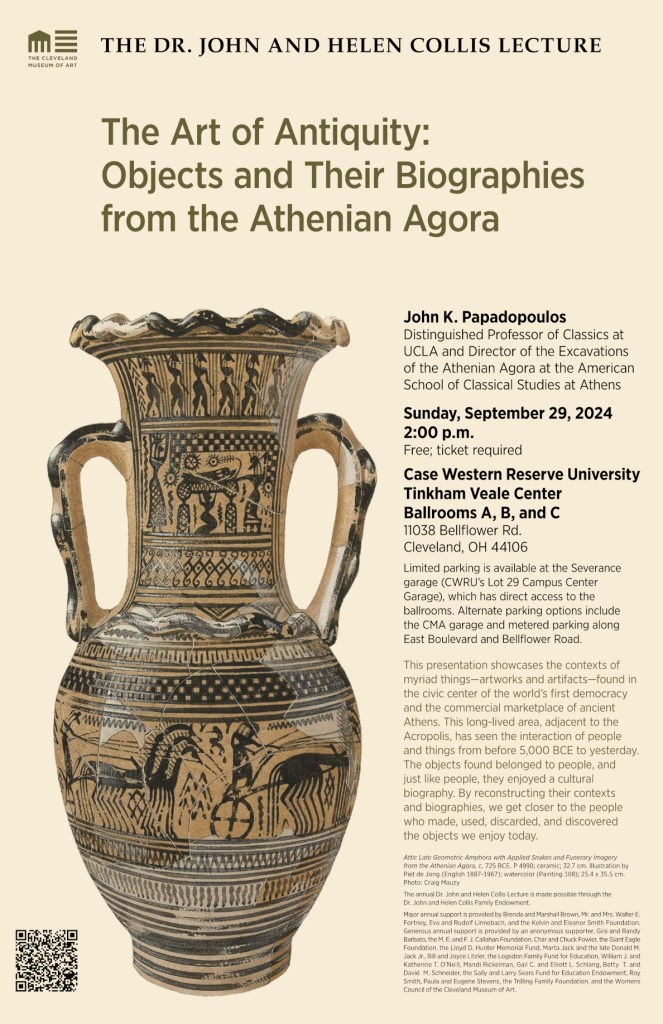
The annual Dr. John and Helen Collis Lecture brings nationally and internationally recognized experts in the field of art history and archeology to discuss new scholarship, museum exhibitions, and archaeological discoveries. Topics alternate between Ancient Greek and Byzantine art every other year.
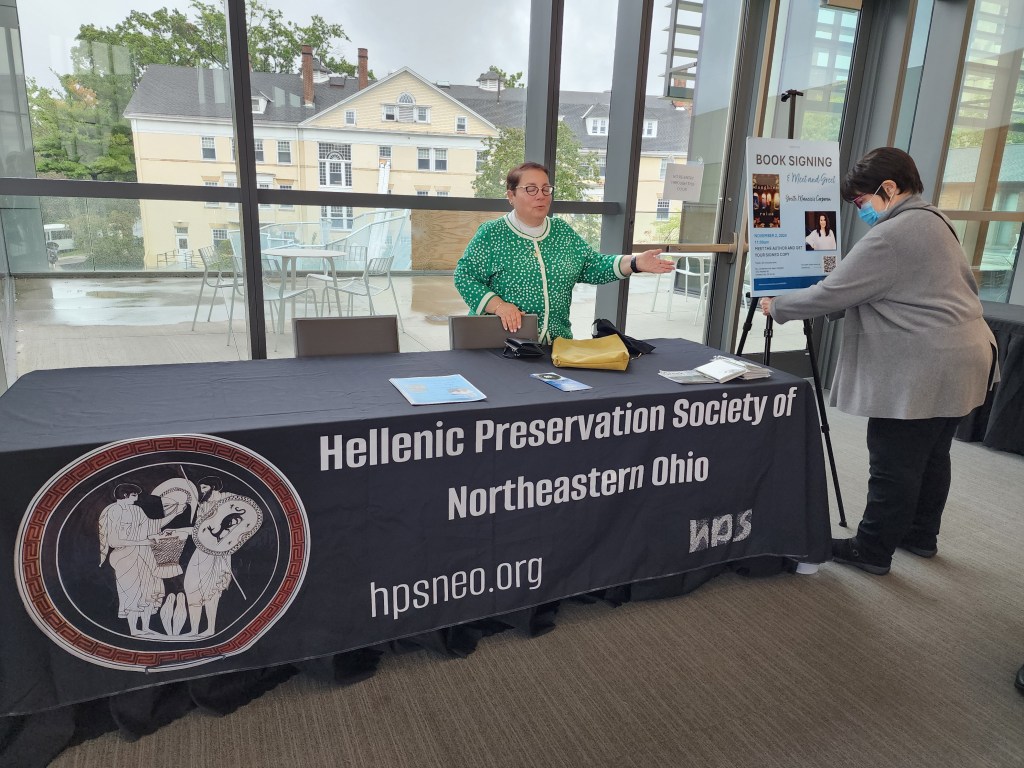
The annual Dr. John and Helen Collis Lecture is made possible through the Dr. John and Helen Collis Family Endowment. The endowment is the first of its kind at the museum, as it presents an annual lecture dedicated to a particular art historical emphasis. Additional support for this lecture comes from the Hellenic Preservation Society (HPS) of Northeastern Ohio. HPS is a non-profit organization whose focus is to preserve the Hellenic legacy that will promote the Greek experience through education, collection and preservation. Dr. John and Helen Collis are both members of the society.
To see all lectures within this series, click HERE
2025
September 28, 2025

2024
September 29, 2024
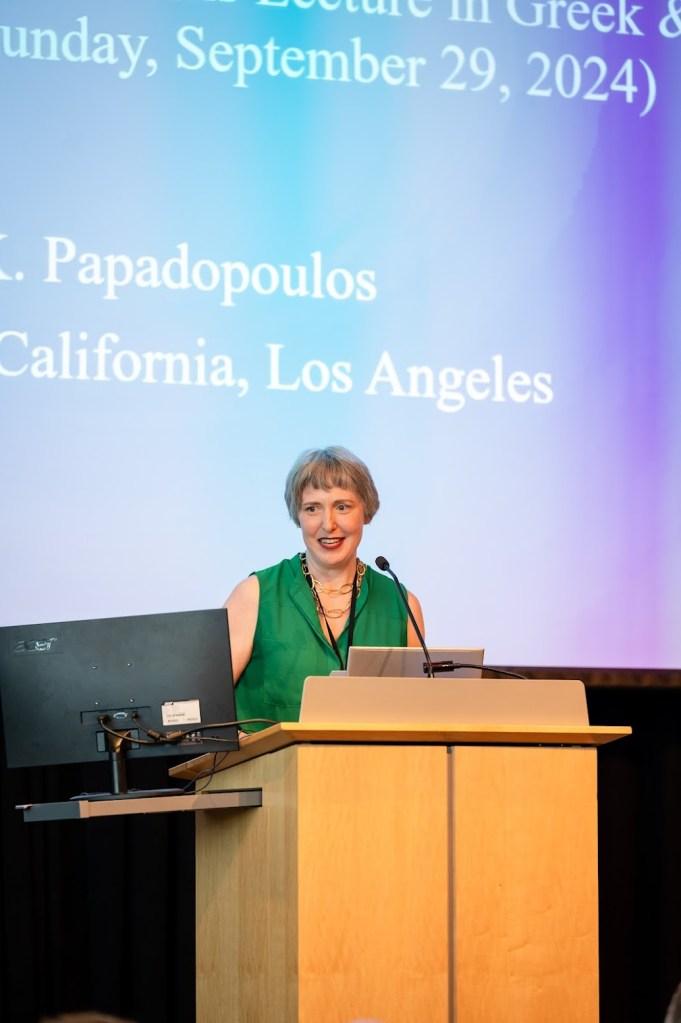
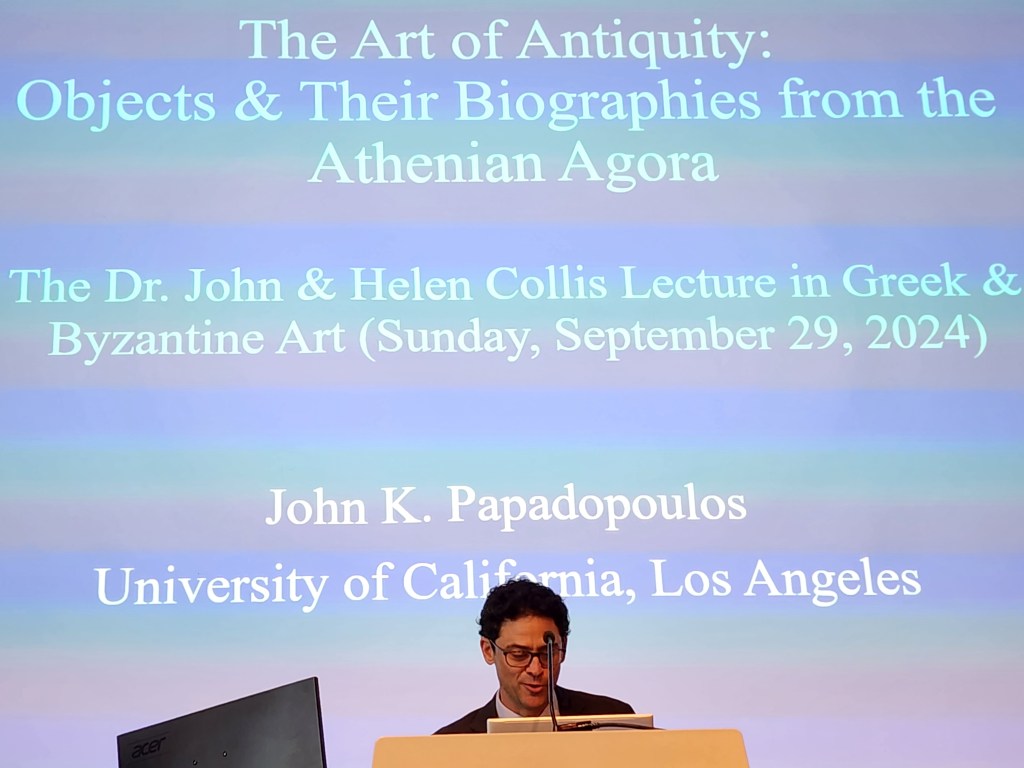
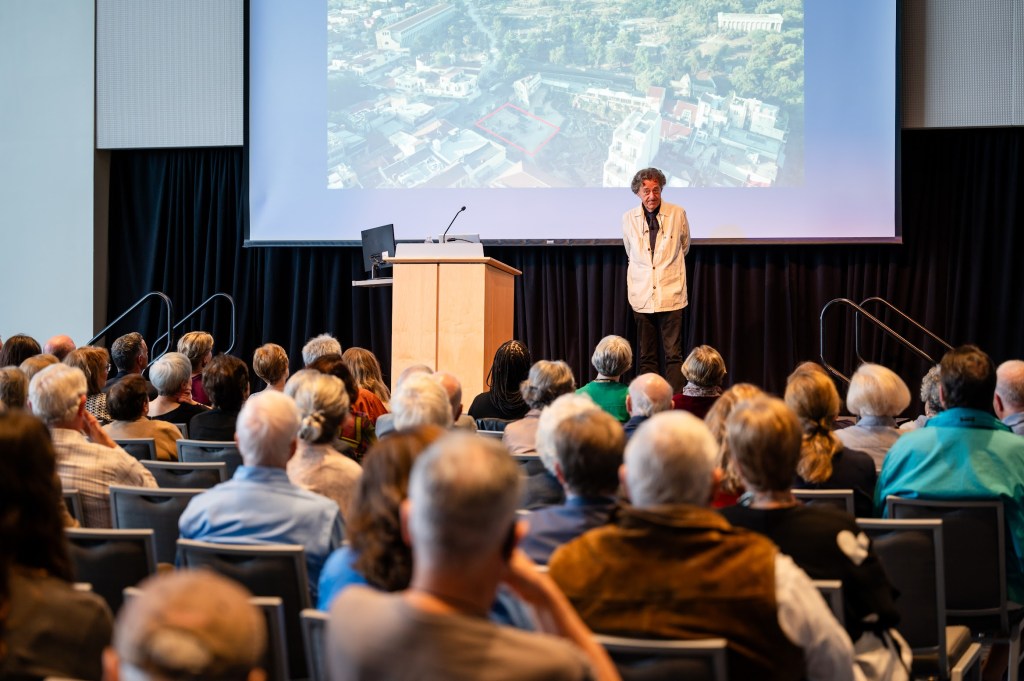
On Sunday September 29, 2024, despite a gloomy, rainy afternoon, Dr. John K. Papadopoulos transported an enthralled audience to the Athenian Agora, as the guest speaker at the Cleveland Museum of Art and Hellenic Preservation Society of Northeastern Ohio’s annual Dr. John and Helen Collis Lecture, held this year at Case Western Reserve University’s Tinkham Veale Conference Center. Introduced by Dr. Seth Pevnick, (his former student and current colleague, who is the
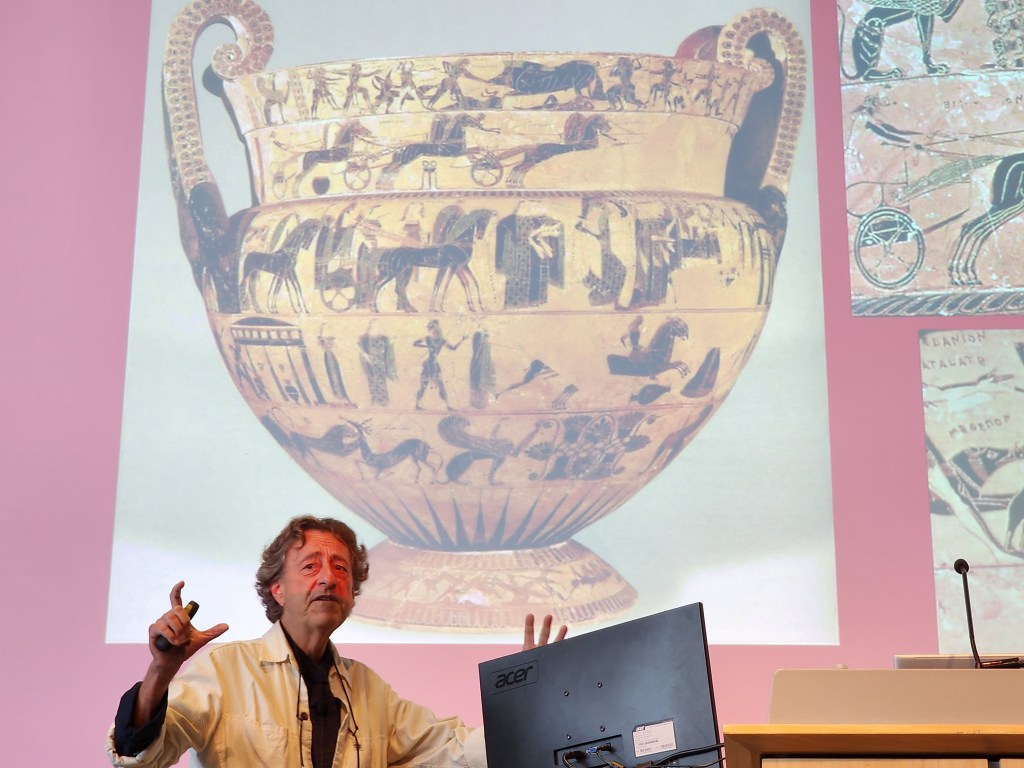
Curator of Greek and Roman galleries) Dr. Papadopoulos shared his insights with verve and humor. His focal point was discussing The Art of Antiquity: Objects and their Biographies from the Athenian Agora. Travelling though time and antiquity, Dr. Papadopoulos traced the evolution of the Greek word γραφές (graphis) that represented writers, artists and sculptors, with a quick etymology lesson that traced the word’s origins from the Phoenician and Aramaic alphabets. His emphasis on the Greek adaptation of these alphabets and the evolution of the Greek word, γραφές was beautifully demonstrated by the Francois Vase that integrates writing and art incorporating mythological themes. For over an hour, Dr. Papadopoulos shared his insights into the restoration of interest in Classical Greece, and how the art and writing of playwrights, historians, even farmers, brought about the world and eventually Hellenistic period that influenced the development of the western world. He even discussed the Athenian version of democracy – with its flaws that were mostly male oriented eliminating slaves, non-citizens and women. Even so, the Greeks took the new alphabet, and writing was not limited to the elite but to everyone. Dr. Papadopoulos’s insights and scholarship were evident in each anecdote and subject. His recitation of a portion of Lord Byron’s poem “The Isles of Greece” was not only moving but demonstrated how the classical world influenced the imagination of the rest of the world, even when Greece was under the domination of the Ottoman Empire. He also emphasized that it was an Ottoman scholar who gave the world the most comprehensive description of the Parthenon while it was the Venetians who bombed the building killing women, children and old men during their bombardment to take out the Ottoman munitions stored in there.
One aspect of the lecture was extremely exciting: Dr. Papadopoulos’s take on the Classical collection at the Cleveland Museum of Art, under Dr. Pevnick’s purview. He shared a number of slides that compared our collection with what has been found at the Agora. CMA’s collection is outstanding and world-renowned and I really hope that everyone will take the time to visit and learn about the classical heritage of Ancient Greece, and its art and antiquities. The lecture was quite scintillating, and I found it inspired me to read Dr. Papadopoulos and Dr. Pevnick’s books and articles. Next year, The Collis Lecture will focus on Byzantium with a return to the Cleveland Museum of Art on September 25, 2025.
Paula M Kalamaras


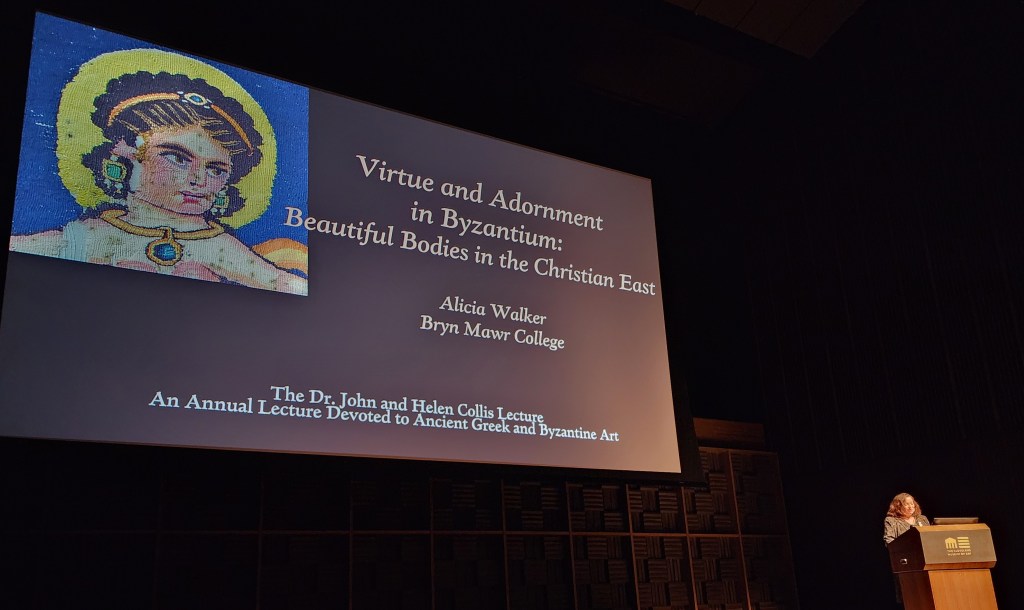
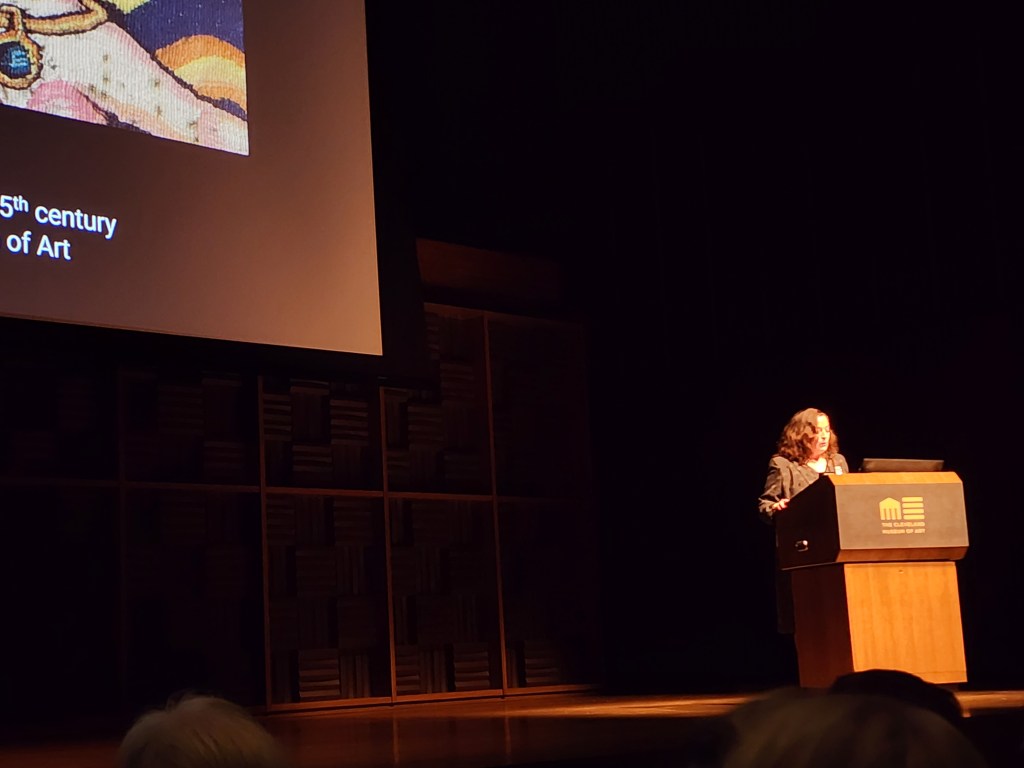
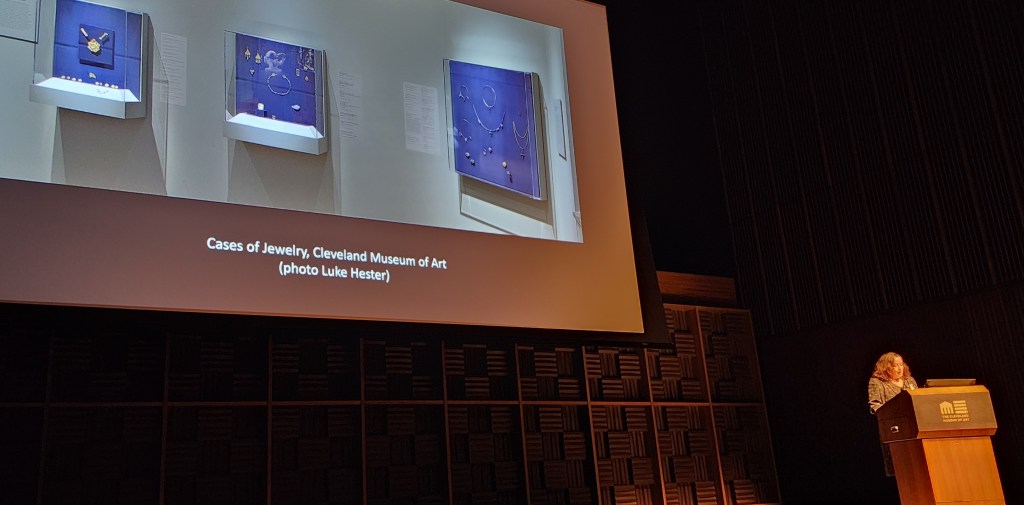
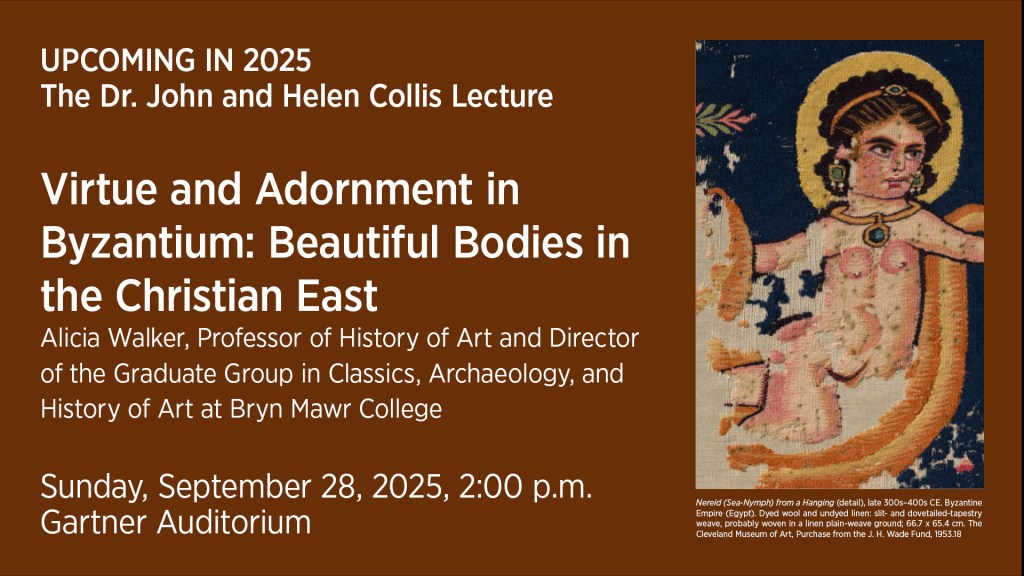
Save the date for the 2025 Collis Lecture:
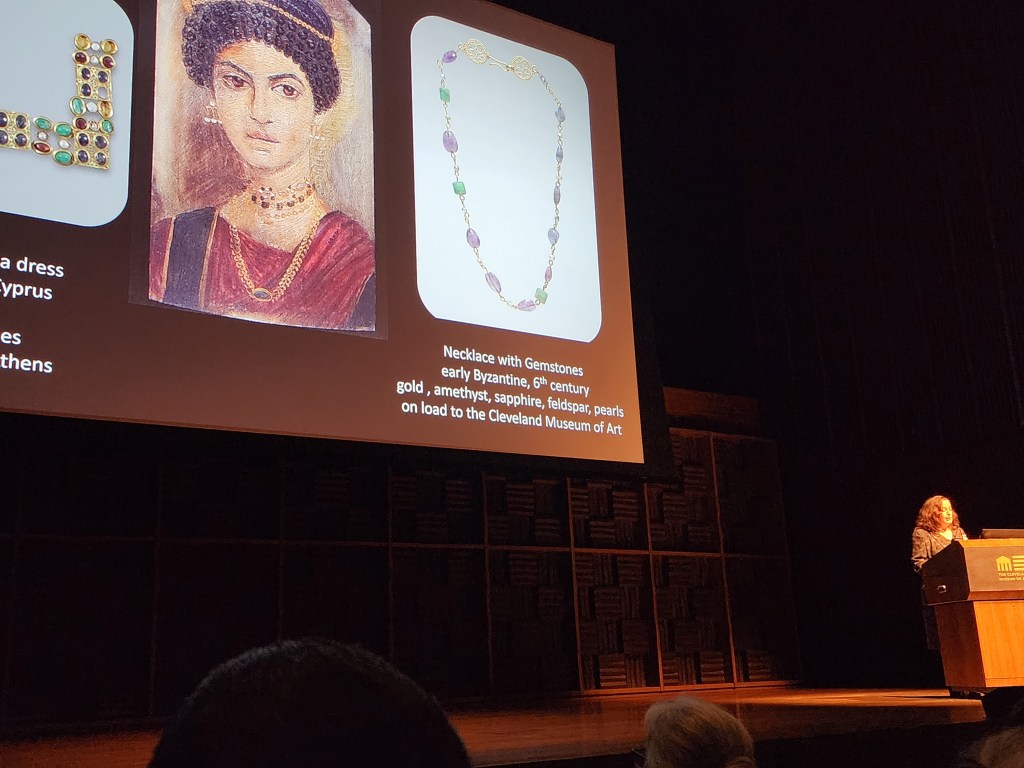
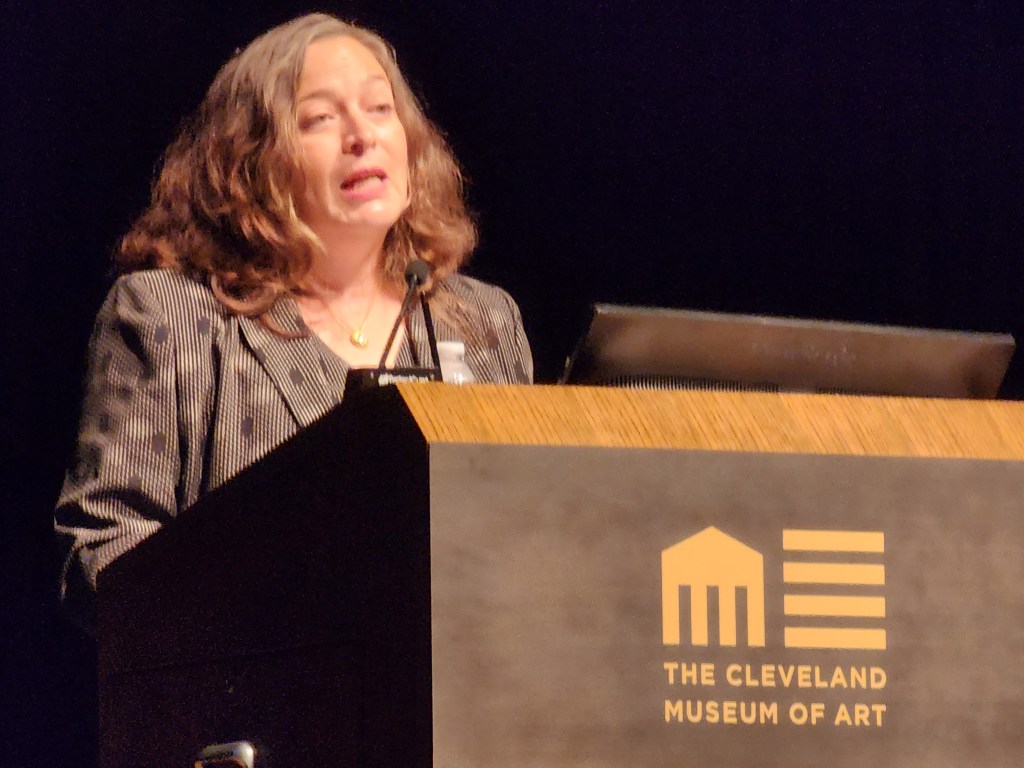
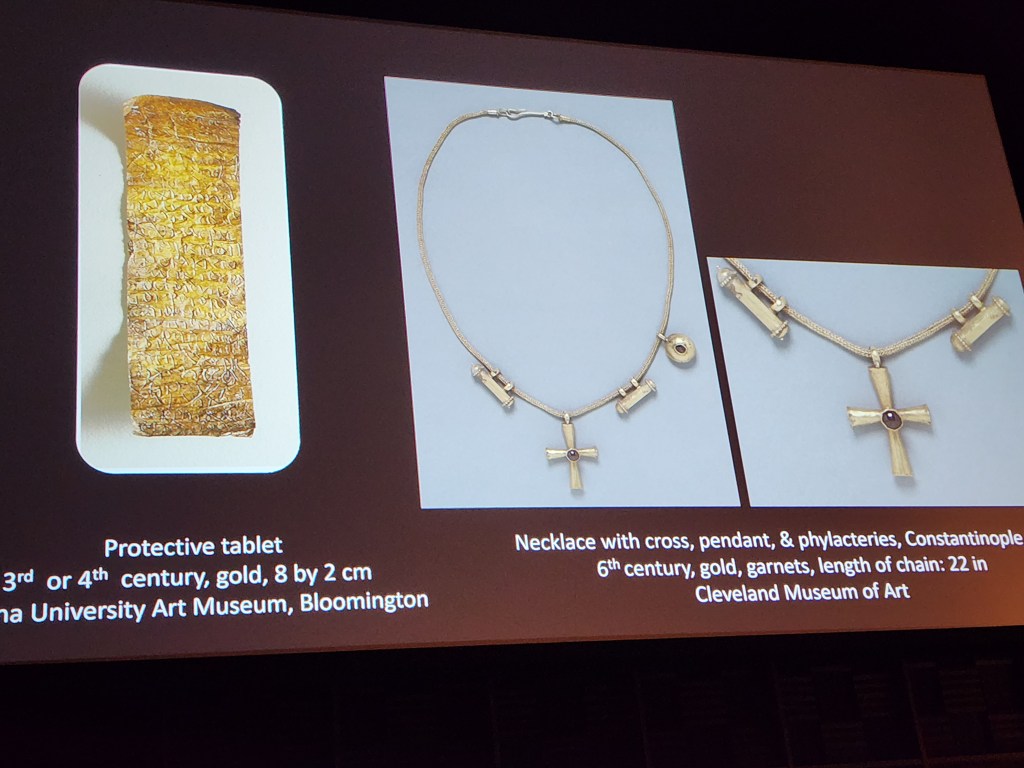
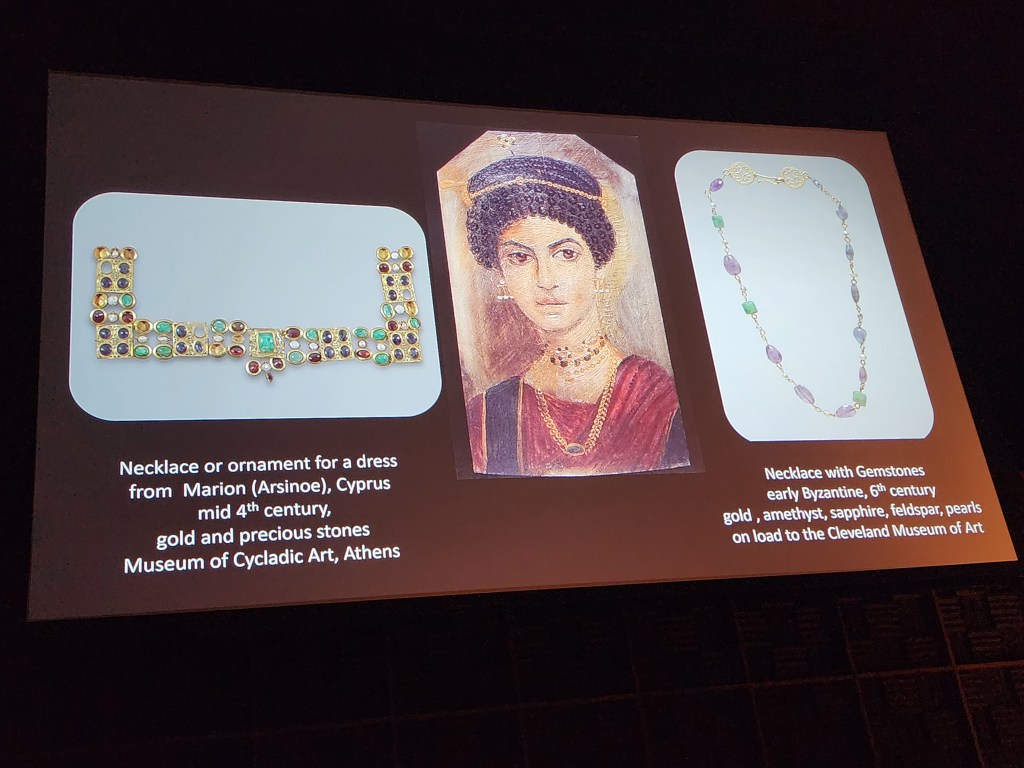
Virtue and Adornment in Byzantium: Beautiful Bodies in the Christian East
September 28, 2025

Did you miss any of the Collis Lectures? See them on the CMA YouTube channel here:
Collis Lecture 2023 El Greco’s Modernism
Collis Lecture 2022 Reimagining Greek Art at the Boston MFA
Collis Lecture 2021 Viewing St. Catherine’s Monastery at Sinai
Collis Lecture 2017 Athenian Vase Painting in the Early 5th Century BC
Download Dr. Holly Witchey’s reviews of the Collis Lectures here
 HELLENIC PRESERVATION SOCIETY